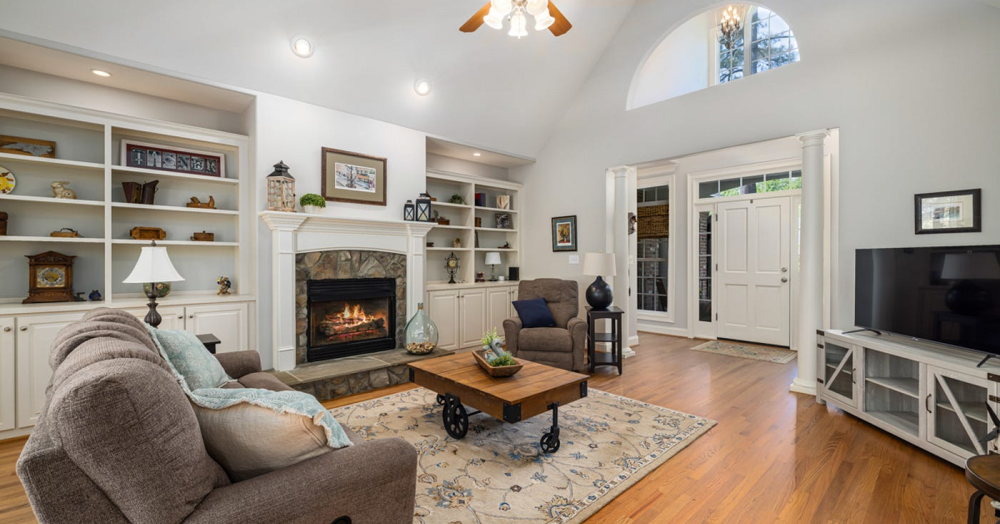
The Art of Home Staging: How to Make Your Property Irresistible
Selling your home can be an exciting yet challenging process. You want potential buyers to not only see the potential in your property but also fall in love with it at first sight. That's where the art of home staging comes into play.
In this blog, we'll explore the key principles and tips for making your property irresistible to potential buyers.
1. Declutter and Depersonalize:
The first step in home staging is to declutter and depersonalize your space. Remove personal items like family photos and excessive decorations. Clearing out clutter allows potential buyers to envision their own belongings in the space and creates a sense of cleanliness and openness.
2. Start with Curb Appeal:
The exterior of your home is the first thing buyers will see. Ensure that the front yard is well-maintained, the garden is tidy, and the entrance is welcoming. A fresh coat of paint on the front door and some potted plants can work wonders.
3. Clean and Repair:
A clean and well-maintained home is more appealing to buyers. Deep clean every room, including carpets and windows. Repair any visible damage, such as leaky faucets, cracked tiles, or peeling paint. A little investment in maintenance can go a long way.
4. Neutralize Colour Schemes:
While your bold colour choices may have suited your taste, neutral colour schemes are more universally appealing. Consider repainting rooms in neutral tones like beige or light grey. Neutral colours create a blank canvas that allows buyers to imagine their own décor.
5. Define Spaces:
In open-plan living areas, use furniture and area rugs to define specific spaces, such as a dining area or a reading nook. This helps buyers understand the functionality of each area and how they might use the space.
6. Let in Natural Light:
Natural light can make a space feel larger and more inviting. Open curtains and blinds to let in as much natural light as possible. Ensure that windows are clean and in good condition.
7. Furniture Arrangement:
Arrange furniture to create a flow in each room. Avoid overcrowding, and ensure that there's enough space for easy movement. Consider removing some furniture to make rooms appear more spacious.
8. Add Finishing Touches:
Add finishing touches like fresh flowers, scented candles, or decorative cushions to enhance the overall appeal. These small details can create a warm and inviting atmosphere.
9. Highlight Key Features:
If your property has unique features like a fireplace, built-in shelving, or architectural details, make sure to highlight them. Arrange furniture to draw attention to these focal points.
10. Professional Photography:
Once your home is staged, consider hiring a professional photographer to capture it in its best light. High-quality photos can attract more potential buyers online and make a lasting impression.
Remember that the goal of home staging is to create a welcoming and aspirational atmosphere that allows potential buyers to envision themselves living in your property. By following these tips and investing some time and effort into staging your home, you can significantly increase its appeal and chances of a quick and successful sale.