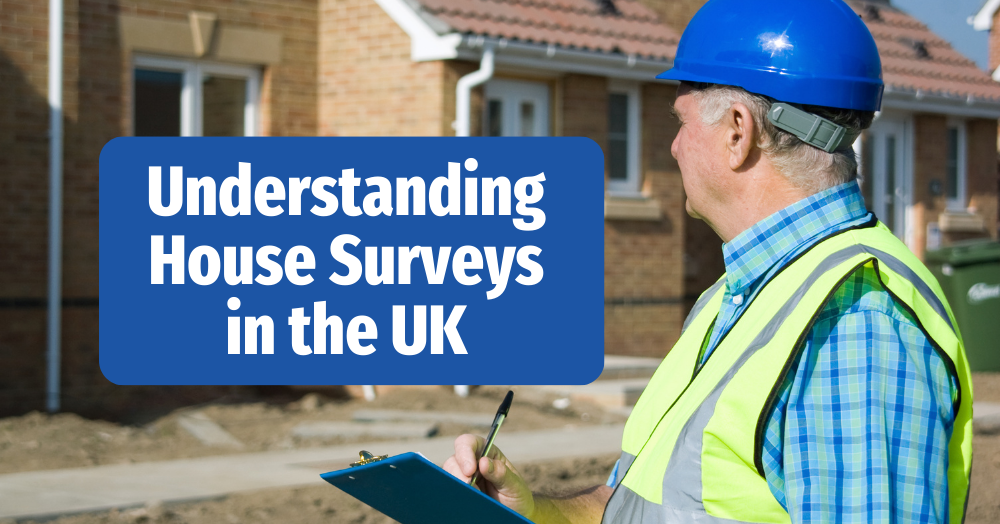
Understanding House Surveys in the UK: Responsibilities, Types, and Differences
When purchasing a property in the UK, ensure a smooth transaction by obtaining a comprehensive survey. For older homes, opt for a Building Survey for thorough inspections. Newer properties may suffice with a Homebuyer Report. Choose wisely to uncover potential issues and make informed decisions.
When embarking on the substantial investment of buying a home, it's crucial to ensure that your purchase is sound and worthwhile. This is where house surveys come into play, offering a detailed inspection of the property's condition before you commit to the purchase. In the UK, the dynamics of who organises and pays for these surveys vary depending on location.
Who is Responsible for Arranging and Paying for a House Survey?
In England and Wales, it falls upon the buyer to arrange and pay for the house survey. This approach aligns with the 'buyer beware' principle, placing the responsibility of uncovering any potential issues with the property squarely on the buyer's shoulders. In contrast, in Scotland, the responsibility typically lies with the seller.
Although not legally mandatory, obtaining a house survey, especially for older homes or properties in disrepair, is a prudent step. Opting out of a survey can leave you vulnerable to unforeseen problems, which might surface post-purchase.
Different Types of House Surveys
House surveys in the UK come in three primary types, each varying in depth and detail:
· RICS Level 1 Survey (Condition Report): This is the most basic survey, offering a broad overview of the property's condition. It's suitable for newer homes and standard constructions, focusing on urgent defects and potential legal issues, without going into extensive detail.
· RICS Level 2 Survey (Home Buyer's Report): More detailed than Level 1, this survey includes all the features of a Condition Report but adds a more thorough inspection. It's ideal for conventional properties in reasonable condition, providing advice on repairs and maintenance.
· RICS Level 3 Survey (Building Survey): This is the most comprehensive survey, recommended for larger, older, or non-standard properties. It provides an in-depth analysis of the property's structure and condition, including advice on repairs, estimated costs, and maintenance.
Selecting a Surveyor and What Happens Post-Survey
Choosing the right surveyor involves considering factors like price, experience, and qualifications. Once the survey is complete, typically within two to three weeks, its findings will guide your next steps. It's common for surveys to reveal some issues; a completely clean bill of health is rare.
Key Distinctions: House Survey vs. Mortgage Valuation
If you are taking out a mortgage, then your lender will require a mortgage valuation to be performed by a surveyor.
It's important to differentiate between a house survey and a mortgage valuation. While the latter (mortgage valuation - often paid for by the potential borrower) is conducted for the lender's benefit to ascertain the property's value and suitability as security for the mortgage, the former (house survey) is for the buyer's information and assurance.
In essence, house surveys in the UK play a pivotal role in the home-buying process, providing essential insights into the property's condition.
As a buyer in England or Wales, or a seller in Scotland, understanding your responsibilities and the different types of surveys available is key to making an informed and secure property investment.
If you would like to discuss this in more detail, please not hesitate to give us a call on 01708 851999 and ask for Paul Tobias-Gibbins
